Skip to content

Chapter 1

What a signal is

Three lessons in Part I, Signals. Read them in order, or start anywhere: a prerequisite is a link, never a gate.

Start with 1.1
0 of 3 read3 on the essential pathabout 44 minutes

Lessons in this chapter

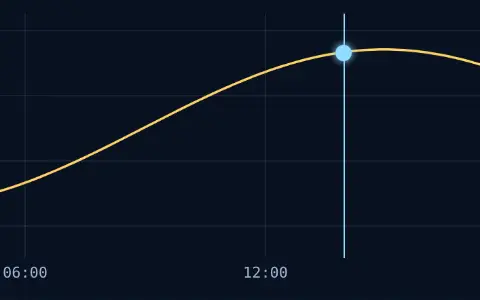
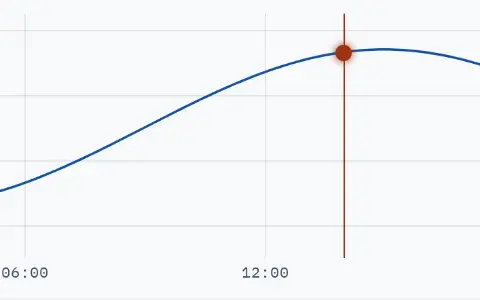
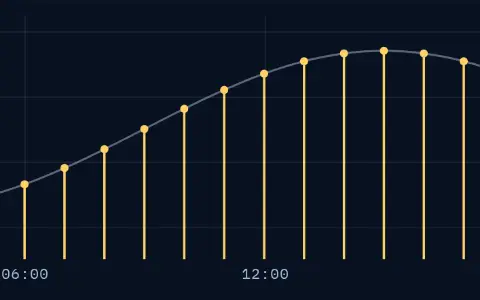
One day of room temperature. Marker at 14:00, 23.3 degrees Celsius.One day of room temperature. Marker at 14:00, 23.3 degrees Celsius.

Lesson 1 Essential11 minYou are hereRead

What a signal is

See what a signal really is, with five small examples you can drag, toggle and step through yourself.

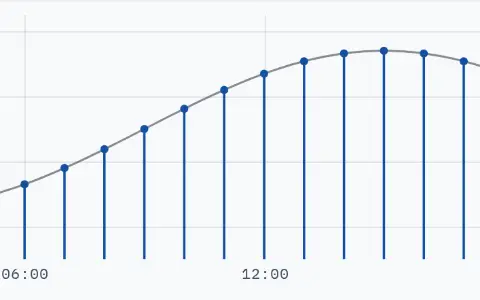
One day of room temperature, measured 24 times a day. The smooth curve underneath is what a continuous reading would look like. Horizontal axis: time of day.One day of room temperature, measured 24 times a day. The smooth curve underneath is what a continuous reading would look like. Horizontal axis: time of day.

Lesson 2 Essential13 minYou are hereRead

Kinds of signals

Six questions that sort a signal, from how often you measure it to whether it is zero before now.

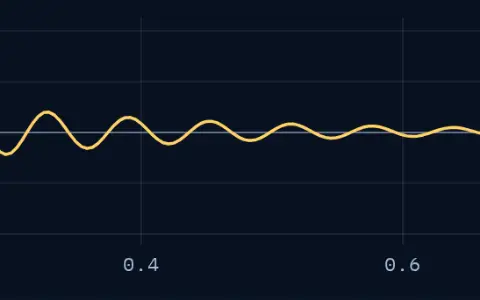
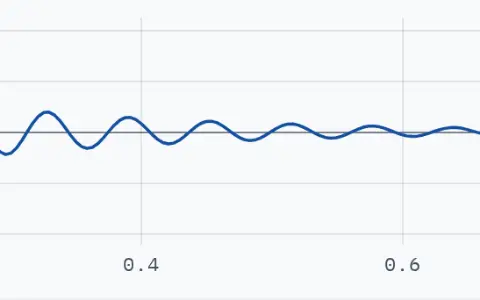
A single handclap, 240 samples over one second. Window edge at 0.08 seconds, 19 samples counted.A single handclap, 240 samples over one second. Window edge at 0.08 seconds, 19 samples counted.

Lesson 3 Essential20 minYou are hereRead

How big is a signal

Put one number on how big a signal is, from energy and power to mean, RMS, crest factor, decibels and SNR.

After this chapter

Where to go next.

The chapters either side, and the rest of Part I in the library.

Phasorium
LibraryEvery lesson, in order

Parts

About Phasorium
Look